Banks Fight For Your Business
As brokers, we shop your scenario with 30+ lenders to get you the best rate.
No Lender Fees
We don't charge any lender fees, saving you on average $1,600 over retail banks.
Won't Impact Credit Score
We make sure the numbers work before running your credit.

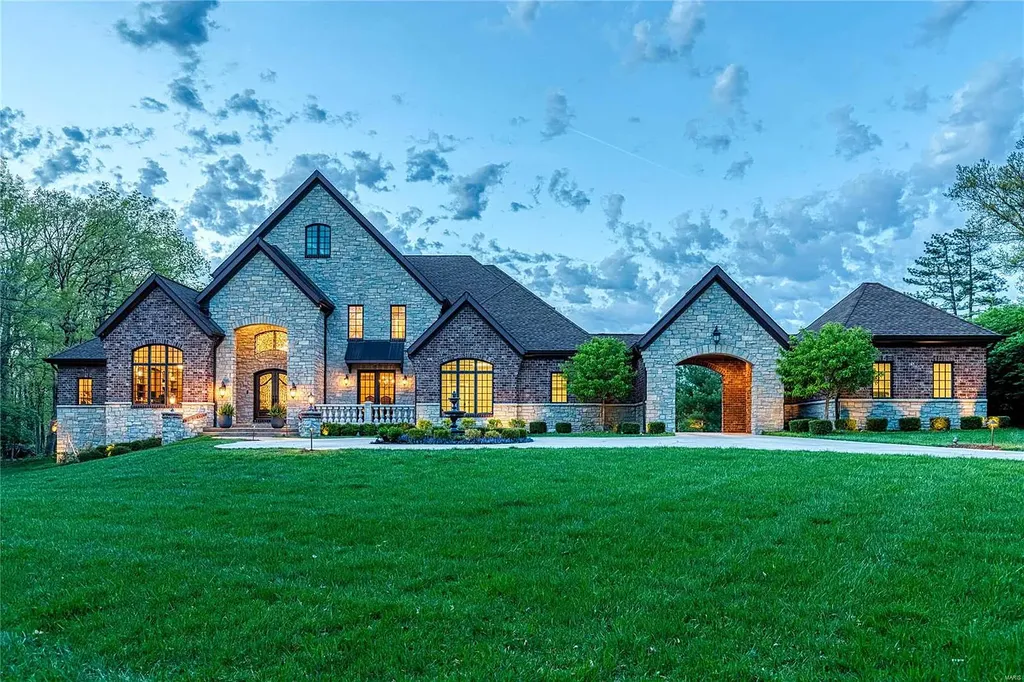
City of St. Louis
Independent City · Not St. Louis County
Your St. Louis City Mortgage Expert
Home Loans in St. Louis City Neighborhoods
Buying inside the city limits is a different transaction than buying in the county, and two rules catch people. The City of St. Louis is an independent city, legally separate from St. Louis County since 1876, so it runs its own assessor, its own recorder, and its own tax structure. And 100% of the city sits inside a Housing Conservation District, which means a Housing Conservation inspection certificate is required before a new occupant moves in on a sale. That inspection belongs in your closing timeline, not in your surprise pile.
DreamLux Home Loans finances Tower Grove South, The Grove and Forest Park Southeast, Lafayette Square, Soulard, Downtown West, Cherokee Street, Dutchtown and Shaw. Zach Brown (NMLS #2156538) places files across 280+ wholesale lenders rather than one bank's guideline set, which is what decides DSCR on rental income, Non-QM for self-employed income, and 203(k) renovation on century-old brick.


DreamLux Home Loans'
Live Wholesale Mortgage Pricing
Pricing shopped across 280+ wholesale lenders.
No SSN required. No credit pull.
No Credit Impact
Soft pull only to review your options
You Hear Back From Zach
Not a call center or a lead queue
280+ Wholesale Lenders
Your file is shopped, not fitted to one product sheet
Licensed in Missouri & Kansas
NMLS #2156538, verifiable on NMLS Consumer Access

Zach Brown
Mortgage Loan Officer • NMLS #2156538
NEXA Lending, LLC • (573) 301-4422
DreamLux Home Loans is an Equal Housing Lender • NMLS #2156538 • NEXA Lending, LLC
Rates subject to change. Not a commitment to lend.
Zach Brown
Mortgage Loan Officer
NMLS #2156538 · NEXA Lending, LLC