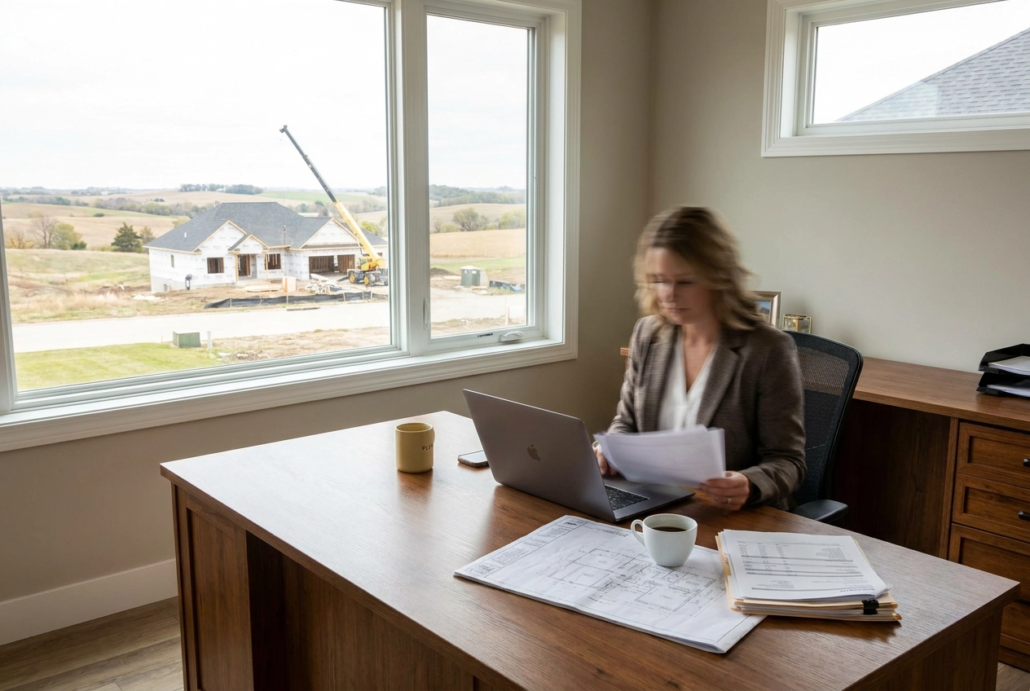
How to Choose Conventional and Construction Loan Brokers in Missouri and Kansas
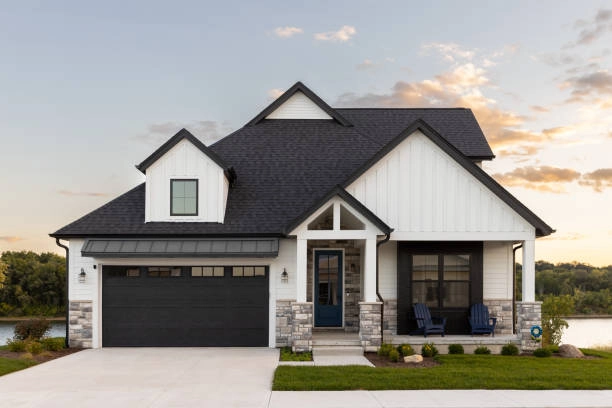
Compare lender access, qualification requirements, construction draw procedures, and total costs before choosing who will handle your financing.
By Zach Brown | DreamLux Home Loans
Updated October 24, 2026
Choose a conventional or construction loan broker by verifying their credentials, confirming which lenders fit your specific transaction, comparing written costs, and asking who will handle the process through closing. For construction financing, also get clear answers about builder approval, draw inspections, cost overruns, rate protection, and conversion to the permanent mortgage.
If you’re buying a home in O’Fallon, building in Wentzville, comparing new construction in St. Charles, or planning a purchase in Lake Saint Louis, the right financing starts with identifying what your transaction actually requires.
A completed-home purchase and a custom build involve different decisions. A broker’s ability to quote a conventional mortgage does not, by itself, establish experience coordinating construction financing.
The useful question is specific: Can this broker explain how your income, property, budget, builder, and timeline fit the lenders available to you?
Here’s how to evaluate the answer.
First, understand the difference between conventional and construction loans
A conventional loan is a mortgage that is not insured or guaranteed through a federal government loan program, such as FHA, VA, or USDA. Conventional loans can be conforming or nonconforming. Consumer Financial Protection Bureau: Conventional loans
A construction loan finances the building or rehabilitation of a home. Funds are typically advanced as construction progresses. Depending on its structure, the loan may convert to long-term financing or require a separate loan to repay the construction balance. Consumer Financial Protection Bureau: Construction loans
These categories overlap. A construction-to-permanent loan can have conventional permanent financing.
Before comparing brokers, identify your situation:
| Your situation | What to establish first |
|---|---|
| Buying an existing home | Which mortgage programs fit your income, down payment, occupancy, and property |
| Buying a newly built home from a builder | Whether you are obtaining a purchase mortgage at completion or financing construction yourself |
| Building a custom home | Which lender can approve the borrower, builder, project, and construction budget |
| Already owning the lot | How the lender will calculate eligible land equity and any additional cash contribution |
| Financing construction separately | How the construction balance will be repaid and what approval the permanent mortgage will require |
A new house does not automatically mean you need your own construction loan. Ask who is financing the build and when ownership and financing obligations transfer to you.
1. Verify the loan officer and company before sharing financial documents
Start with the person and company that will handle your application.
Ask for the loan officer’s NMLS ID and the legal name and NMLS ID of the company they represent. Search both through NMLS Consumer Access, the public system for reviewing mortgage licensing and registration information.
Check the relevant license or registration status, company relationship, and available regulatory information. An NMLS number is an identifier; the number alone does not establish current authorization for your transaction. NMLS: About Consumer Access
For a mortgage broker, confirm the appropriate authority for the state where the property is located. If a record or company relationship is unclear, ask the applicable regulator for clarification.
Bank and credit union loan officers may operate under federal registration rather than individual state mortgage loan originator licenses. Their records should be evaluated accordingly. NMLS Consumer Access FAQs
Ask: “What are your individual and company NMLS IDs, and which entity will appear on my loan disclosures?”
Apply this check to every candidate, including DreamLux.
2. Ask which lenders fit your file, not just how many are available
A mortgage broker can help connect borrowers with wholesale lenders. That access is useful when the broker can identify lenders whose requirements fit the transaction.
A large lender network does not mean every lender offers your program, accepts your property, or can meet your timeline.
For a conventional mortgage, ask which lenders fit your:
- Income and employment documentation.
- Down payment and available reserves.
- Credit profile and existing obligations.
- Property type and intended occupancy.
- Closing schedule.
For construction financing, narrow the questions further. Which lenders currently accept your builder, project type, location, budget, and preferred construction-to-permanent structure?
Banks, credit unions, direct lenders, and brokers can all be worth comparing. The CFPB recommends contacting multiple providers and discussing both costs and qualification issues. CFPB: Contact multiple lenders
Ask: “Which lenders are a realistic fit for this scenario, and what makes their requirements different?”
A useful answer explains the match between your file and the available programs.
3. For a conventional loan, test how clearly the broker explains qualification
A conventional mortgage comparison should address more than the advertised rate.
Ask how the lender will document qualifying income, calculate monthly obligations, assess the property, and verify funds for closing.
Avoid treating any single debt-to-income limit as universal. Fannie Mae’s requirements differ by underwriting method and other eligibility factors, and individual lenders may apply additional requirements. Fannie Mae: Debt-to-income ratios
Also ask about mortgage insurance. On a conventional purchase mortgage, private mortgage insurance is commonly required when the down payment is below 20%. Its cost and payment structure belong in the comparison. CFPB: Private mortgage insurance
If you’re self-employed, earn commissions, receive bonuses, or recently changed how you’re paid, raise that early. Ask the broker to review the documentation needed to evaluate your actual qualifying income.
Ask: “What have you verified so far, what is still an assumption, and what could change the approval?”
That question helps distinguish an early estimate from a file that has received a more detailed review.
4. For construction financing, compare the path from closing to completion
Construction financing needs a plan for both the build and the mortgage that follows it.

One-time-close construction-to-permanent financing
A single-closing structure combines construction financing and the permanent mortgage in one transaction. Conversion occurs after construction is completed and the applicable requirements are satisfied.
However, “one-time close” should not be interpreted as an unconditional promise that no updated documents, appraisal work, or requalification will ever be required. Fannie Mae’s single-closing guidance includes circumstances that trigger updated information and requalification.
Separate construction and permanent financing
With separate financing, the construction balance must be repaid through permanent financing or another acceptable source. Ask how the later approval, pricing, and closing costs will be handled.
The choice deserves a written comparison. Fannie Mae: Single-closing construction-to-permanent financing, CFPB: Construction loan repayment and conversion
For either structure, ask:
- When is the permanent rate established?
- What must happen before conversion or permanent closing?
- Which changes could require another underwriting review?
- What happens if construction finishes late?
- What extension, modification, or additional closing costs could apply?
Ask: “Show me the financing path if the build finishes on schedule, and explain what changes if it doesn’t.”
5. Confirm who manages builder approval, draws, and problems during the build
The borrower, builder, lender, and draw administrator may each have different responsibilities. Establish those roles before signing.
Use these questions to evaluate the process:
| Issue | What to ask |
|---|---|
| Builder approval | What information must the builder submit, and when should approval begin? |
| Project review | Which plans, specifications, contracts, budgets, and permits are required? |
| Draw requests | Who submits them, what documentation is needed, and who authorizes payment? |
| Inspections | What must be verified before a draw is released, and who arranges that review? |
| Change orders | Which changes need lender approval before work proceeds? |
| Cost overruns | What contingency is required, and who supplies funds beyond it? |
| Delays | Who handles extensions, and what costs or conditions could apply? |
| Final completion | What documentation is required before the final disbursement and permanent financing? |
Draw procedures vary. Don’t assume every lender uses the same milestones, inspection process, or turnaround times.
Ask for the named contact responsible for construction administration. Clarify whether your broker remains the primary contact after closing or whether communication moves to the lender’s construction team.
Ask: “If my builder needs an answer about a draw or change order, who owns that decision?”
6. Compare the full project budget and written loan costs
For a home purchase, compare written offers using consistent loan amounts, terms, down payments, occupancy, and rate-lock assumptions.
Review points, origination charges, lender credits, mortgage insurance, the complete payment, and cash to close. The CFPB recommends evaluating costs alongside the loan officer’s ability to answer questions and meet your closing timeframe. CFPB: Compare and negotiate loan offers
For a custom build, evaluate the project budget as well as the mortgage pricing.
Ask whether the budget accounts for:
- Land acquisition or an existing lot loan payoff.
- Site preparation and utility connections.
- Well or septic work, if applicable.
- Plans, permits, and professional fees.
- Construction and lender-required inspections.
- Contingency funding.
- Interest during construction.
- Your current housing expense during the build.
- Completion items outside the builder’s base contract.
A subdivision lot with established utility access raises different budgeting questions from acreage needing a well, septic system, and a long driveway.
DreamLux’s Missouri and Kansas construction financing guide highlights that distinction when discussing project costs. It is a useful reason to review the lot and budget before treating the builder’s contract price as the entire financing requirement.
Ask: “Which expenses are included, which must I pay separately, and how much cash should remain available after closing?”
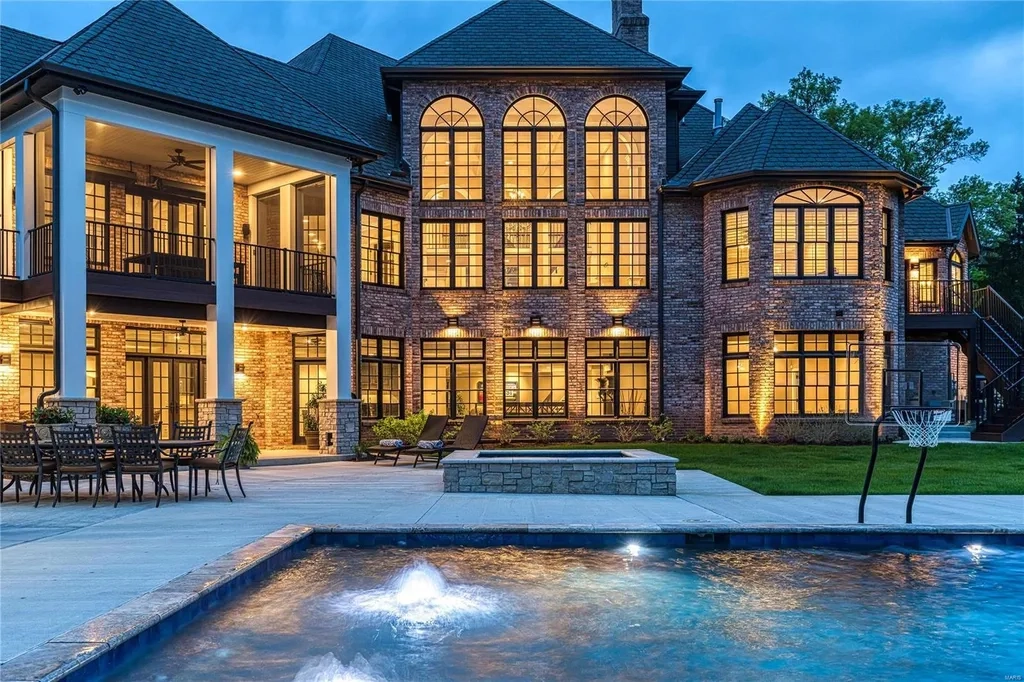
Choosing a broker in O’Fallon, Wentzville, St. Charles, or Lake Saint Louis
If you’re searching for a conventional or construction loan broker in these Missouri communities, start with the property and transaction.
A completed-home purchase in O’Fallon may require a different financing approach from a custom build in Wentzville. A builder-financed home in St. Charles may involve a purchase mortgage at completion. A Lake Saint Louis property may raise questions about occupancy, association obligations, or the specific property’s eligibility.
Use local familiarity as one criterion, then test it with concrete questions about your address, builder, property type, and timeline.
For a Kansas property, use the same comparison method and verify the appropriate authority for that state. The underwriting questions should follow the actual transaction, whether the property is in Overland Park, Olathe, or another Kansas community.
An online recommendation can help you find candidates. Written answers, verified credentials, and a workable financing plan help you choose among them.
Questions borrowers often ask
Do I need a construction loan to buy a newly built home?
Not necessarily. If the builder finances construction and you buy the finished home, your financing may be a purchase mortgage. If you are financing the build yourself, construction financing may be needed. Confirm the arrangement before comparing loan programs.
Can a construction-to-permanent mortgage be conventional?
Yes. “Construction-to-permanent” describes the financing structure. “Conventional” describes a mortgage that is not insured or guaranteed through a federal government loan program. A loan can fit both descriptions. CFPB: Conventional loan definition, Fannie Mae: Construction-to-permanent financing
Can land I already own help satisfy the required contribution?
It may. Ask the lender how it treats the lot’s value, any existing debt, ownership history, and the transaction structure. Get the calculation for your program before assuming a particular amount of land equity will replace cash.
Is a mortgage broker always less expensive than a bank?
The answer depends on the actual offers. Compare the same scenario across providers, including points, fees, credits, mortgage insurance, and rate protection. Provider type alone does not establish the total cost.
Should I compare a builder’s preferred lender with outside financing?
Yes. Ask for the incentive terms in writing, including any conditions tied to using a particular lender. Compare the resulting rate, fees, credits, payment, and cash requirement with an outside offer using the same assumptions.
Get a DreamLux financing review before choosing your next step
Buying a home or planning a build in Missouri or Kansas? Start with your scenario.

Zach Brown with DreamLux Home Loans can help you review the financing questions that matter before you select a lender, finalize a construction budget, or move forward with an existing offer.
Choose the next step that matches your plans:
- Planning a build: Review Missouri and Kansas construction loan options.
- Already have a mortgage offer: Request a DreamLux Loan Estimate Second Opinion.
- Buying a home and comparing financing: Call (573) 301-4422 to discuss the property, timeline, down payment, and documentation needed.
- Book a Call with Zach Here
- Start Your Pre-Approval Application Now or Get a Quote
For an initial construction conversation, have the property location, lot ownership details, estimated project budget, builder information, and target start date available. Preliminary information is still useful if you’re early in the process.
Ask how to provide financial documents securely. Keep tax returns, bank statements, and other private information out of public comments and social direct messages.
The purpose of the review is to identify available options, explain requirements, and establish the next steps for your transaction. Program availability, approval, pricing, and closing timelines depend on the borrower, property, builder, and lender.
About the author: Zach Brown is a Senior Mortgage Loan Officer and the founder of DreamLux Home Loans, a DBA of NEXA Lending, LLC. He works with buyers, homeowners, and investors across Missouri and Kansas.
This article provides general education and does not constitute individualized financial or legal advice, a loan approval, or a commitment to lend. Loan terms, eligibility, construction procedures, and program availability vary by lender and may change.
Zach Brown | NMLS #2156538 | DreamLux Home Loans, DBA NEXA Lending, LLC | NMLS #1660690 | Equal Housing Lender | Licensed in Missouri & Kansas








